top of page


The Snack Aisle Is Evidence-Based. Your Legacy Interviews Aren't: A Science-Based Interviewing Case Study
Grocery stores have spent fifty years using behavioral research to change how you shop — down to the scent of the bread and the height of the cereal. Meanwhile, the way we interview and investigate hasn't meaningfully changed since 1955. If a soda bottle can be upgraded with science, why not the interview?
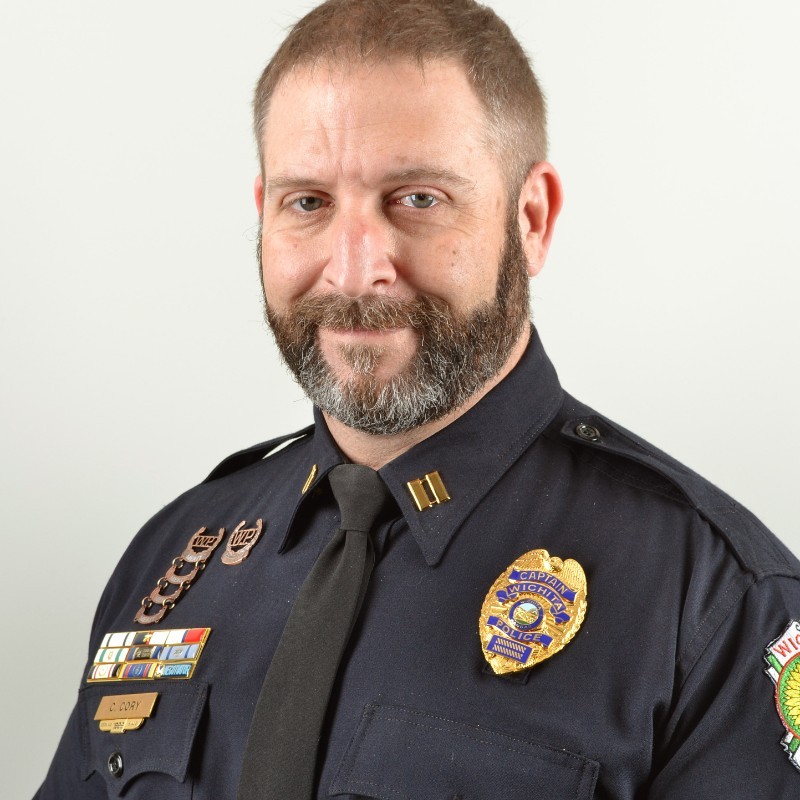
Christian Cory
Aug 16 min read


What's With All the GOATs in Science-Based Interviewing?
I get this question in almost every class: what's with all the goats? It started as a way to say thank you — cartoon GOAT stickers and a handwritten note for detectives who did great work. It ended up teaching me something about science-based interviewing. One good opening question once got 14 minutes of lies from a man now serving 30 years for murder. Every one of those lies was information. Statements are evidence. Here's why that changes how you interview — and how you lea
Christian Cory
Jul 157 min read


The Tenth Man in the Room: What Four Centuries of Red Teaming Teach Investigators and Leaders
Spies gather intelligence, but someone still has to decide—usually without certainty. From the Prussian war game to the Catholic Church's Devil's Advocate, Israel's "Tenth Man," and the red teams that stress-tested the bin Laden raid, history shows that the most dangerous moment in any investigation isn't when the file is thin and everyone's arguing. It's when the file feels complete and everyone agrees. Are you red teaming your case—or one unchallenged assumption from disast
Christian Cory
Jun 1818 min read


Strategic Use of Evidence (SUE): Why It’s More Than Just Late Disclosure in Science-Based Interviewing
Most suspects walk into an interview braced for an accusation. The Strategic Use of Evidence flips the script: instead of confronting a suspect with what you know, you ask first and reveal later. Guilty suspects, unaware of the evidence against them, talk themselves into contradictions the innocent never produce. It's not about reading twitches or chasing nerves—it's about letting the gap between a story and the facts speak for itself. Here's how SUE works and why the science
Christian Cory
May 1914 min read


Science-Based Interviewing Versus The Burden of Bad Ideas
Science-Based Interviewing is not new, but the evidence supporting it is stronger than ever. While research consistently shows that information-gathering approaches outperform accusatory, confession-driven tactics, outdated interrogation methods continue to dominate training rooms. This article examines why legacy practices persist, the risks they create, and how evidence-based interviewing improves accuracy, cooperation, and investigative outcomes.

Christian Cory
Mar 112 min read


Modernizing Interrogation Methods: From Confrontation to Science
Science-Based Interviewing gives law enforcement investigators and police executives a modern framework for gathering reliable information in today’s evidence-rich investigations. Built on research, not tradition, Science-Based Interviewing moves beyond confession-driven tactics and focuses on rapport, free narratives, and Strategic Use of Evidence. The result is stronger case context, fewer investigative risks, and statements that withstand legal, scientific, and community s
Christian Cory
Jan 224 min read


A True Detective Story: Detective Frank Geyer
Detective Geyer’s relentless pursuit of justice unraveled Holmes’ web of deceit, leading to his conviction and execution.
Christian Cory
Nov 4, 20249 min read


Accusatorial vs. Science-Based Interviewing Techniques: Which Yields Better Results?
Science-Based Interviewing represents a decisive shift away from confession-driven interrogation toward information-driven investigations. Grounded in psychological science, SBI prioritizes higher-quality information, ethical evidence handling, and reduced investigative risk—without sacrificing confessions. As states move away from outdated accusatorial practices, science-based methods offer a more reliable, defensible, & future-ready approach for public and private sector in

C. Edward
Jul 23, 202413 min read


AI in Criminal Investigations Starts With Better Investigative Interviews
AI in criminal investigations is only as good as the interviews feeding it. Science-based interviewing produces detailed, corroborable accounts an algorithm can actually use — accusatorial methods contaminate the dataset before analysis ever begins.
Christian Cory
Oct 28, 202311 min read
bottom of page