top of page


Your Favorite Website Has Been Studied. Your Interview & Interrogation Training Hasn't Changed Since 1955.
There is a heat map for the cereal aisle, the ad, the landing page, and your résumé. Entire professions test, measure, and upgrade to move a number two percent. The interview room—where we decide what is true—still runs on a method whose first famous case produced a false confession.

Christian Cory
Sep 2711 min read


Can You Tell If an Employee Is Lying? What the Research Actually Says
You've been taught to watch for crossed arms and averted eyes. The research says that skill doesn't exist—not even for professionals. Here's what to do instead.
Christian Cory
Sep 1012 min read


Information-Gathering vs. Confession-Based Interviewing: The Future of Investigative Interviewing
Investigative interviewing is moving away from confession-driven legacy methods and toward information-gathering approaches grounded in research. Science-Based Interviewing prioritizes accurate information, rapport, open-ended questioning, strategic evidence use, and hypothesis testing while reducing the risks created by guilt presumptions, psychological manipulation, pseudoscience, and false confessions.
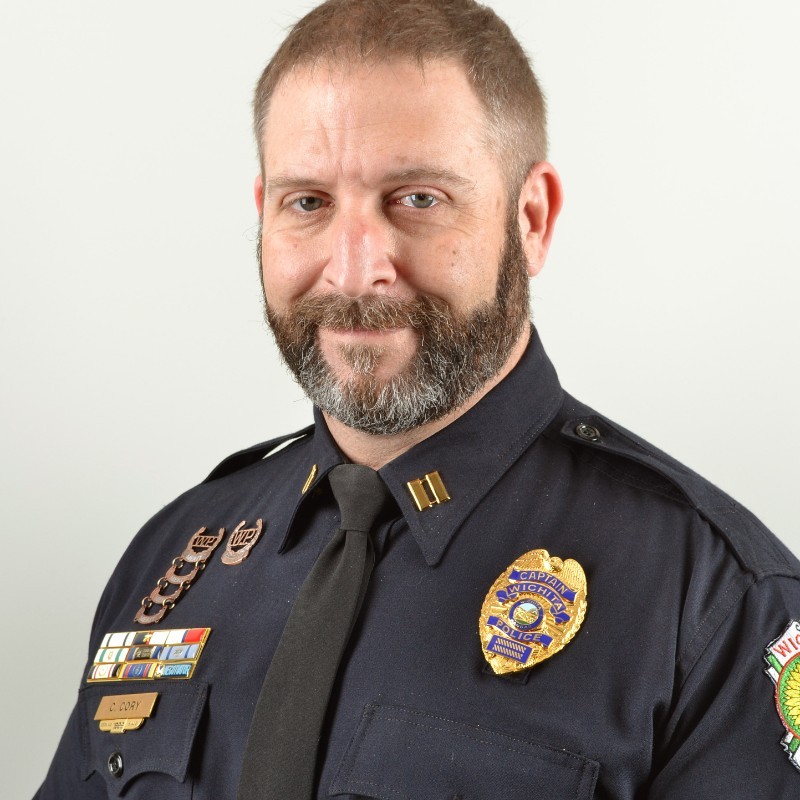
Christian Cory
Aug 108 min read


The Snack Aisle Is Evidence-Based. Your Legacy Interviews Aren't: A Science-Based Interviewing Case Study
Grocery stores have spent fifty years using behavioral research to change how you shop — down to the scent of the bread and the height of the cereal. Meanwhile, the way we interview and investigate hasn't meaningfully changed since 1955. If a soda bottle can be upgraded with science, why not the interview?
Christian Cory
Aug 16 min read


Lie Detection Training: You Can't Learn From Your Mistakes
You can't learn from your mistakes—because anxiety-based lie detection training never lets you count them. No batting average, no save rate, and no field goal percentage: it records only the hits. I trusted NLP, microexpressions, and baselining once, and they pointed me at an innocent man while the real evidence sat on a phone I'd turned off. Human deception detection runs about 54%—barely better than a coin flip. Here's why the science-based fundamentals beat the pseudoscien
Christian Cory
Jul 1212 min read
bottom of page